Transportation in Spain
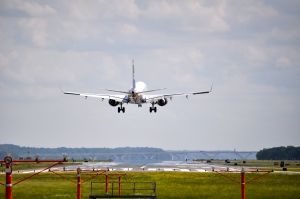 An efficient and organized public transportation system, affordable domestic flights and well-planned urban layout suitable for biking or walking: that’s in short the Spanish transportation system.
Arriving and Departing
There are about 50 airports in Spain, out of which the busiest three are: Madrid Barajas International Airport (MAD), Barcelona International Airport (BCN) and Palma de Mallorca Airport (PMI).
Flying is one of the best ways to get from one Spanish city to another and the fastest way to get to the islands. There are plenty of budget airlines that fly to Spain from all over Europe. Most international flights from outside of Europe arrive in Madrid or Barcelona, but there’s no shortage of domestic flights from these two hubs to the rest of Spain.
>>Read about Spain Airports
>>Find Cheap Flights to Spain
>>Find Cheap Flights to Madrid
>>Find Cheap Flights to Barcelona
Trains link Spain (and particularly Madrid) to other European countries, such as Portugal (Lisbon), France (Paris, Montpellier), Switzerland (Zurich) and Italy (Milan). Train travel in Spain is comfortable and efficient, although these days taking the train can cost more than flying. To catch a train to the neighboring countries, you’ll usually have to spend at least one night commuting.
Buses are the cheapest way to travel to Spain. Many European countries offer direct buses to several Spanish cities: you can catch a bus from Lisbon to Madrid or Seville and Paris to Madrid or Seville. These buses usually take very long hours and are less comfortable than trains.
Getting Around Spain: From One City to Another
Flying is one of the best ways to get from one Spanish city to another. There are frequent domestic flights from Madrid to Barcelona (40 flights per day) as well as between other cities. Start searching for flights from Madrid to Barcelona here:
Boats link Barcelona to the Balearic Islands (Ibiza, Mallorca, Menorca) and to Italy (Rome and Genoa). These journeys usually take long hours and cost more than flights. But most of these ferries allow you to bring your car on them, with an extra charge.
Buses represent one of the cheapest ways to move from one Spanish city to another. Generally buses in Spain aren’t crowded and the roads are pretty good. They are usually very comfortable, punctual and reliable.
Hiring a car is another good option but make sure to do your homework and choose to rent from a cheaper location (i.e Madrid is very expensive). When you are traveling with two or more people, renting a car in Spain can be cheaper than getting a bus or train to your destination. Make sure to always have a map and a Spanish dictionary.
Trains connect all major cities and most small towns in Spain. For long-distance journeys, there are several high-velocity trains that cut down travel time by half or more. The journey between Madrid and Barcelona takes 5 hours, while going from Madrid to Seville takes about 2.5 hours.
Read more on inter-city transportation:
>>Getting from Madrid to Barcelona
>>Getting from Madrid to Toledo
>>Getting from Madrid to Salamanca
>>Getting from Madrid to Lisbon
>>Getting from Madrid to Malaga
>>Getting from Madrid to Seville
>>Getting from London to Ibiza
 Getting Around in Spain: Within A City
Walking or cycling in the cities
There are no bicycle lanes in Madrid –cycling in the city can be quite challenging. Madrid isn’t a flat city so riding a bike is not really practical, hence no need for the bike lanes. But if you want to cycle in Madrid, head to one of the parks. There are several bike tours in Madrid that make for excellent ways to see and experience the city.
Riding a bike in Barcelona is one of the cheapest ways to explore the city. There are bike renting companies which also organize biking tours of the city. The expert guides keep visitors informed, entertained, and safe from surrounding traffic. The Barcelona tour hits even more city highlights, including Parc de la Ciutadella and the beach; frequent stops allow time for pictures, exploration, food, and stretching.
Madrid Public Transportation
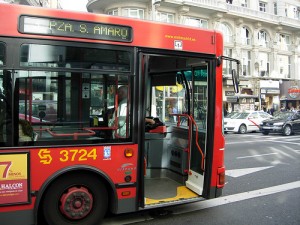
Madrid’s metro system (Metro de Madrid) is a very efficient way to travel in the city. Sometimes it’s easier to use than the buses. Single tickets with unlimited changes in the city cost about €1. If you plan to use the metro and/or bus a lot, you should get the Metrobús< tickets (10 rides for little over €6). Also, you can buy the tourist passes (Abono Turístico) which are valid for 1, 2, 3, 5 or 7 days and the prices range between €4 for a day and €20 for a week.
Barcelona Public Transportation
In Barcelona, the special Bus Turistic line links all the tourist sites you can possibly visit. There are three possibly routes and tickets can be purchased for two days (€20) or three days (about €30).
Barcelona Card offers unlimited free travel on public transport and free entrance at about 100 tourist sites. Cards can be purchased for periods of 2 to 5 days at a cost ranging between €24 and €34. If you plan to take the metro and/or the bus, please note that the tickets are valid on both public transportation systems. You can get tickets for 10 rides which represent a really good way to save some money on transport.
While in Barcelona, don’t miss a ride on Tramvia Blau, which is an old tram connecting Av. Tibidabo metro station to the Funicular station. Once at the Funicular station, take a ride up to the view point on top of Tibidabo (€3 two-way trip).
Photo credit: Flickr photo by fui and Diorama Sky